
Books to Read When Dealing with Cancer
November 7, 2025
What Malaysia’s new Social Stock Exchange means for your Ringgit
December 16, 2025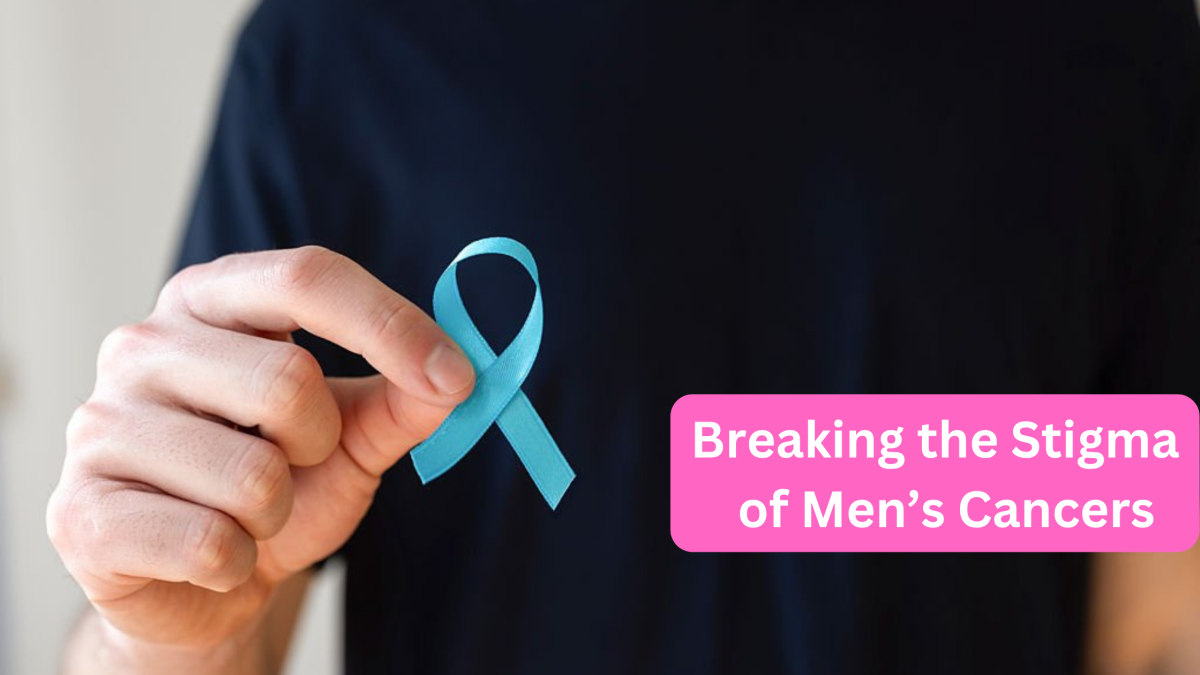
MAKNA’s Ahman Nu’man sheds light on the truth of men’s cancers
It’s Time for An Honest Conversation
It’s Movember, and that means it’s men’s health awareness month. And Ahmad Nu’man, a senior nurse and one of MAKNA’s most experienced speakers, has only one message he would like to share.

Men, you don’t need to be scared anymore.
Studies have shown that when it comes to screening themselves or meeting with a medical professional to see whether an individual is at risk for cancer, men usually lag behind women. The factors contributing to this usually come from men themselves. Embarrassment, lack of awareness, and feelings of discomfort are often the most cited when it comes to a man’s reluctance to get themselves checked.
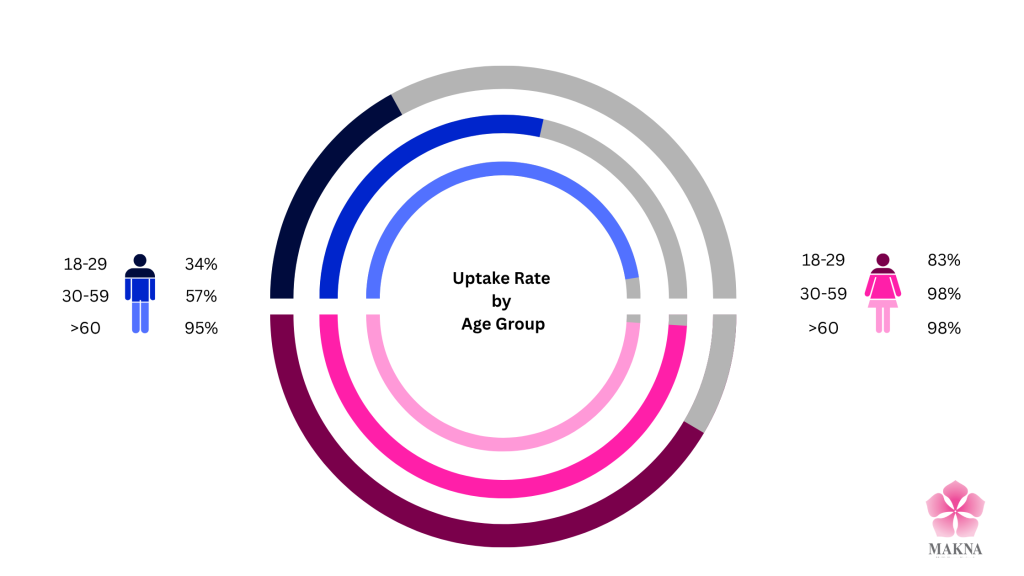
Source: Davis, J.L., Buchanan, K.L., Katz, R.V. & Green, B.L. (2012) ‘Gender differences in cancer screening beliefs, behaviors, and willingness to participate: Implications for health promotion’, American Journal of Men’s Health
The Numbers Don’t Lie
Yet 2 of the 3 most common cancers affecting men are ones that could be detected by a doctor or a simple self-examination. And with cancer cases expected to rise in the foreseeable future, early detection and screenings become a more pertinent and important tool.
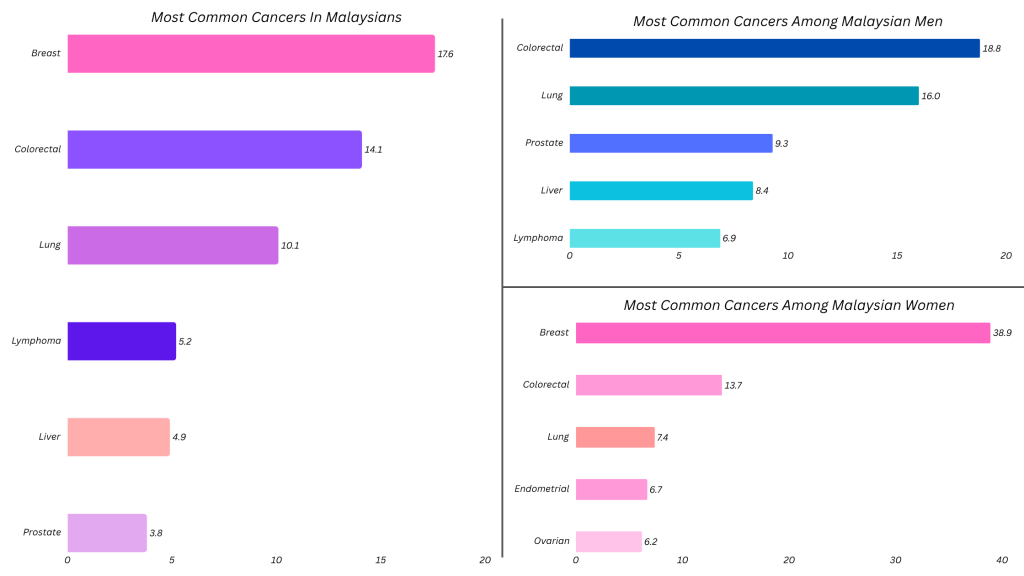
Source: Ministry of Health, National Cancer Institute
However, the stigma remains. That of a lubed gloved hand, a patient bent forward over a desk, and pants lying slack at ankle length. That would have been true 2 decades ago, but now there are less intrusive methods to get yourself tested, at least in the early, preliminary stages.
Toxic Masculinity and Its Toxicity
In his many talks, Nu’man cites toxic masculinity as the heart of why men don’t take this as seriously as women do.
Dari kecik, men shouldn’t cry. The way men talk, the way they share news with each other amongst themselves—is that the initial response is always a joke. They don’t allow themselves to take their health seriously, at least among peers.
That reluctance can start young. Many boys aren’t taught to be familiar with their bodies or to take warning signs seriously, even though testicular cancer can affect those as young as 15. Pair that with the lack of awareness of what modern-day cancer screening looks like, and it paints a picture of why men can be so reluctant to get themselves checked. But that doesn’t need to be the case anymore.
There are now tests that are no longer as intrusive as the stigma would imply. FOBT for colorectal and blood tests for prostate cancer. A physical exam is still used, but they are no longer the main tool used by doctors to screen for any abnormalities. That fear of a finger up the bum can be put away.
Why Women Love Doctors and Men Don’t
Another source of reluctance is also men being less familiar with doctors than women are. Nu’man chalks it down to the biological differences that cause women to interact with doctors most of their lives and allow them to be more comfortable opening up about their bodies.
Women have certain events in their lives where they have to see a doctor. Their menarche (first menstrual period), pregnancy, delivery, and menopause. So, over the course of their lives, they’ve built a rapport with doctors that can help break down the awkwardness of being upfront and open with a medical professional.
This unfamiliarity with doctors contributes to men’s reluctance to be open with their doctors. And he sees this in the seminars he runs. Audience participation and willingness to opt for clinical screenings usually skew towards women in his experience.
The Casualties of Secondhand Smoking
Bluntly, he says part of the problem is that many men don’t consider how their health behaviours affect others. He points out that around half of Malaysian men are smokers, and about 90% of male lung cancer patients have a significant smoking history. Yet almost all young female lung cancer patients are non-smokers, a pattern that strongly suggests many women develop lung cancer due to secondhand smoke exposure, not their own choices.
In Nu’man’s eyes, Men’s Health Awareness Month is less about the disease that affects men but more about the way men think about these diseases. It’s about encouraging men, himself included, to change the way they relate to their own health. To recognize that paying attention to their bodies isn’t a sign of weakness, but one of empathy and strength for themselves and the ones they love.
This November, Nu’man’s campaign, Below the Belt: Every Conversation A Man Needs to Have, seeks to break down the intrinsic barriers that lie within Malaysian men’s perception of early cancer screenings, and his long-term hope is that everyone takes their health seriously.
Final Thoughts
Early detection remains the most effective tool in reducing one’s risk of developing cancer, and Nu’man believes that responsibility begins at the individual level. To him, taking charge of your health starts with understanding your own body, recognizing when something feels off, and acting early rather than waiting.
Who knows your body better than yourself? Bila you sakit, the doctor has only 5 minutes for you.
If you’d like to learn more, join us this Movember in starting the right conversations — with your doctor, your friends, and yourself. Awareness begins when we decide that silence helps no one.
And if you believe in the work MAKNA does to make early detection accessible for all, consider supporting our mission. Every contribution helps us reach more communities, reduce late-stage diagnoses, and give more Malaysians a fighting chance.